Fuck the Artists -The Poor Sorry Bastards
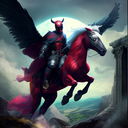

The Ultimate Reality Check: Tech vs. The Pedestal
There is a profound, almost hilarious irony in the current meltdown gripping the traditional art world. For decades, a segment of the creative community thrived on a culture of curated exclusivity, expensive gatekeeping, and the comforting narrative that they possessed a mystical, untouchable spark that separated them from the ordinary working class.
Then came a few billion lines of code, and suddenly, the velvet rope got vaporized.
The Anatomy of the Meltdown
The sheer panic boils down to a brutal economic and existential shock. When stripped of the romanticized rhetoric, the loudest arguments against AI generation often expose a glaring double standard:
- The "Soul" Moving Goalpost: We are routinely told that human art contains a "divine spark" or a "soul" that machines can never replicate. Yet, the moment an AI generates an image that is visually indistinguishable from human work, the argument instantly shifts from aesthetic quality to moral outrage. Apparently, that "soul" is only quantifiable when it's keeping a human illustrator's invoice paid.
- The Myth of Pure Originality: The outrage over AI "stealing" by training on existing images conveniently ignores how human creators actually learn. Every artist spent years staring at other people's work, absorbing styles, copying techniques, and mashing them together into a "unique" identity. When a human does it, it's called inspiration; when an algorithm does it with vastly superior efficiency, it's called plagiarism.
- The Automation Exemption: For years, tech automated away manufacturing, logistics, and administrative jobs, and the creative class largely responded with a shrug or a trendy "learn to code" platitude. But now that the disruption has landed on the doorsteps of graphic designers and concept artists, suddenly automation is treated as an existential crime against human dignity.
A Brief History of Creative Panic
This cycle of intense gatekeeping and eventual democratization is a well-worn historical script. Every time technology lowers the barrier to creation, the incumbent elite declare the absolute death of culture:
| Innovation | The Historical Outrage | The Reality |
|---|---|---|
| The Camera (1800s) | Portrait painters claimed photography was a soulless, mechanical trick devoid of true artistic merit that would ruin visual art forever. | It forced painting to evolve (giving birth to Impressionism) and democratized visual recording for the masses. |
| The Synthesizer (1970s) | Traditional musicians protested that electronic instruments would kill "real" music and put human orchestras out of business. | It birthed entirely new sonic landscapes, paving the way for hip-hop, synthwave, and modern electronic music. |
| Generative AI (2020s) | Claims that prompt-based creation is "theft" and that true art requires physical labor, suffering, and a massive financial barrier to entry. | It turns raw imagination into the only real bottleneck, lowering the barrier to entry to zero. |
The Hard Truth: Efficiency wins. The market values the end product, the relevance of the idea, and the speed of delivery—not the existential angst or the number of hours someone spent crying over a canvas.
Ultimately, the fury isn't actually about ethics; it's about the loss of a monopoly. The perceived entitlement stems from the realization that a specialized skill set that used to grant someone an automatic badge of "specialness" has been democratized. The world didn't stop appreciating creativity—it just stopped catering to the idea that you need a specific, gatekept pedigree to express it.
Congratulations @sinistry! You have completed the following achievement on the Hive blockchain And have been rewarded with New badge(s)
Your next target is to reach 300 posts.
You can view your badges on your board and compare yourself to others in the Ranking
If you no longer want to receive notifications, reply to this comment with the word
STOP